I love it when worldbuilding creates something fun or pretty.
In doing my worldbuilding for “Secrets of the Island Planet” (the planet is named “Celesta”, by the way), I previously came up with the tradition of celebrating “LastDay Dinner” — essentially on the last day of the year. https://www.patreon.com/frjosom/posts/youre-invited-to-158673116
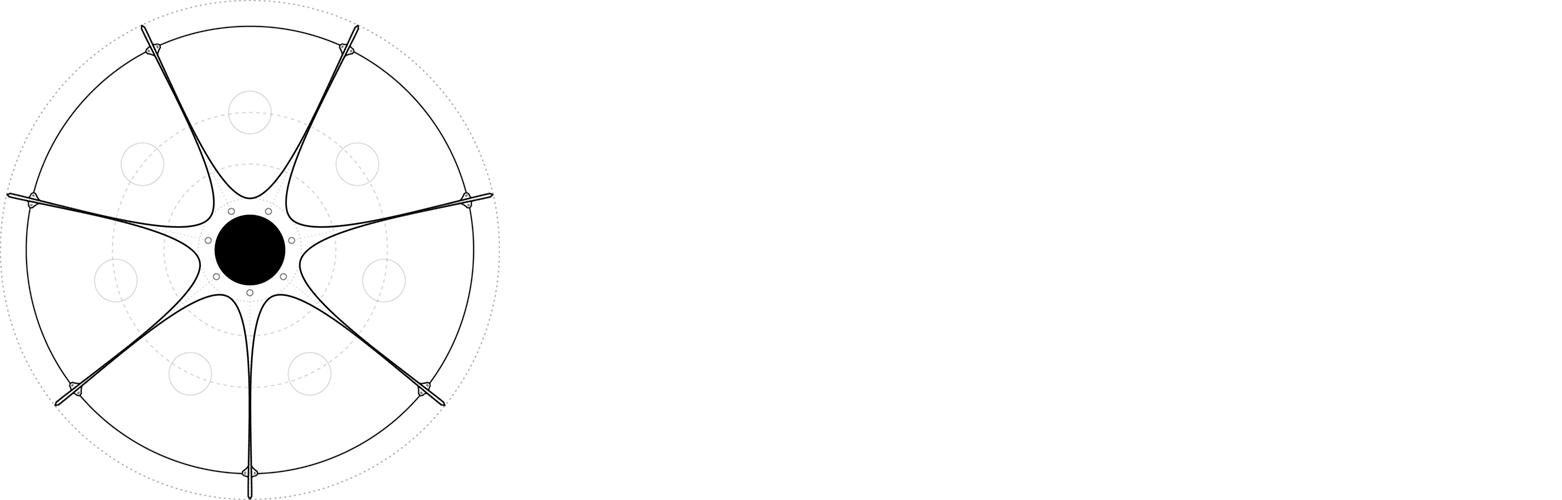
There are seven different sections of The Island, called “Days”. Six of those sections have people living on them, and they each celebrate a local festival once a year. Those festivals are celebrated at the end of every two months; with there being seven “Day” sections on The Island, you get through all the celebrations after 14 months (seven celebrations, each two months apart).
But wait! Calling it a “month” implies that there is a MOON that orbits the planet!
However, why would every TWO months be special? (That is, why would every SECOND orbit of the moon be noticeable?)
Well, what if there is a SECOND MOON? To make every second month a special occasion, what if the second moon lines up with the first moon when it has orbited the planet twice?
In orbital mechanics, it is called “resonance” when two bodies orbit each other in a mathematical relationship. The gravity of each of the two orbiting objects nudges the other until they kind of “syncronize”. You can see an animation of this in action in the real world, with Jupiter’s moons, at this link: https://en.wikipedia.org/wiki/Orbital_resonance
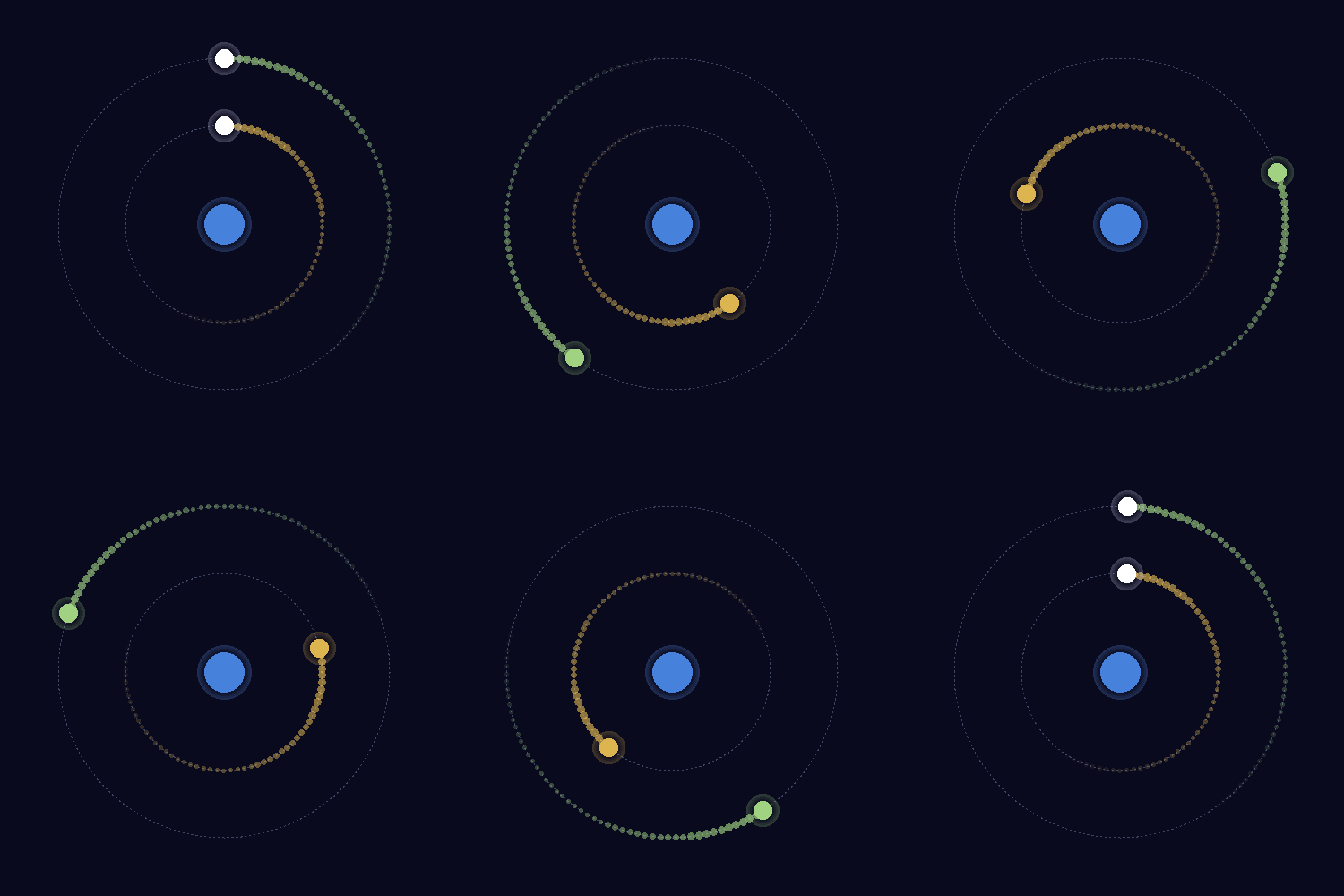
In Celesta’s case, the two moons have a 3:2 orbital resonance. The inner moon goes around Celesta 3 times for every 2 orbits of the outer moon.
So imagine: they both start close to each other in the sky — possibly perfectly aligned, one behind the other. After ONE month (one orbit of the farther moon) of the two moons gradually moving apart, the two moons end up on opposite sides of the planet. If either moon is high in the sky, at that moment you can’t see the other moon at all. Then, over the second month, both moons have moved closer and closer in the sky each day — until they line up again.
Here’s an animation of how Celesta’s months work.
Imagine TWO moons chasing each other in the sky. Twice as romantic?
0 Comments